
Eco-modulation fees explained
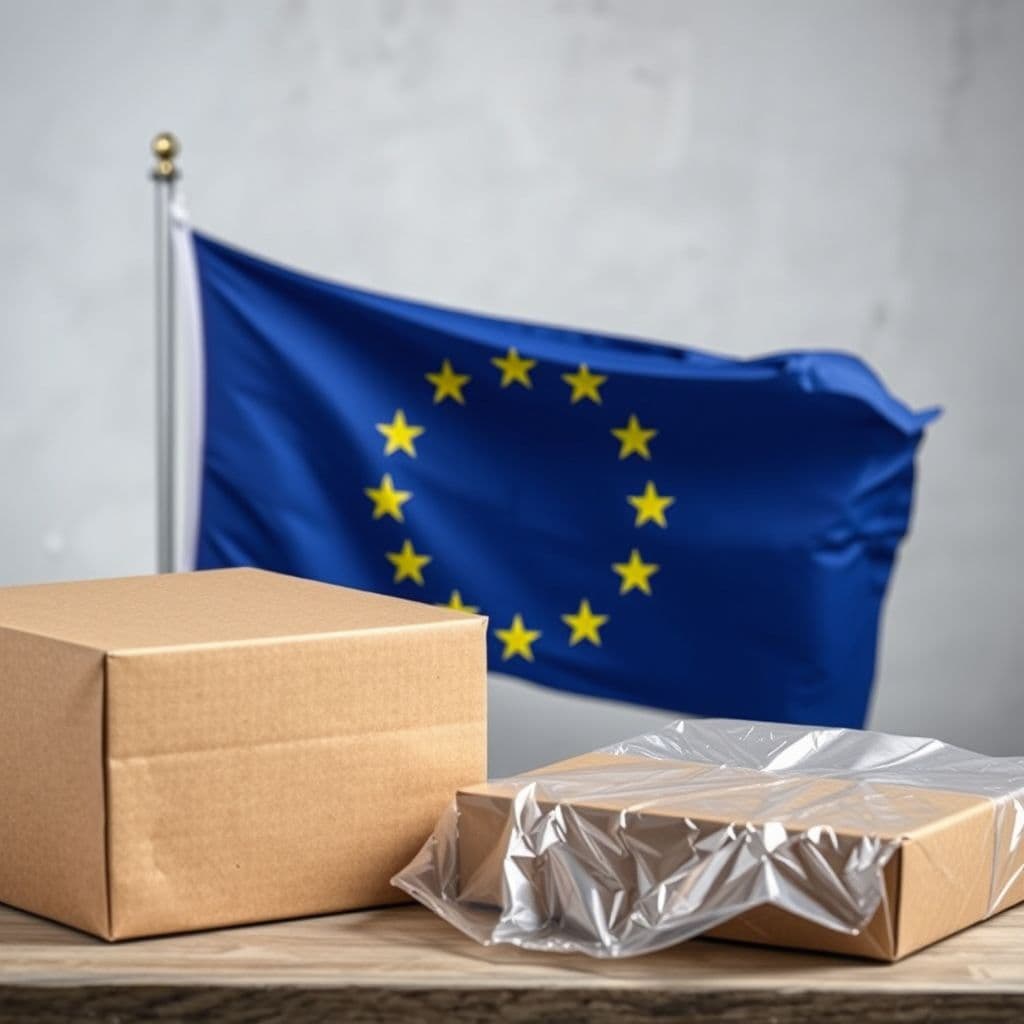
If you’ve ever wondered why packaging EPR fees aren’t “just €/kg”, eco-modulation is usually the reason.
In simple terms, eco-modulation means the fee you pay under an Extended Producer Responsibility (EPR) scheme can be adjusted to reflect how easy (or hard) your packaging is to manage at end of life – often through a bonus/malus approach.
What eco-modulation is
Most packaging EPR schemes start with a basic logic: material × weight × rate. Eco-modulation adds an extra layer: a coefficient that can increase or decrease the final amount depending on defined criteria.
That’s why two packs with the same weight can end up with different fees if one is considered “better” for sorting/recycling (or reuse) than the other.
Why it exists
The EU’s policy direction is to make EPR fees do more than fund waste management – fees should also encourage better product and packaging design. EU minimum requirements for EPR (in the Waste Framework Directive context) explicitly link modulation to criteria such as durability, reparability, reusability, recyclability, and the presence of hazardous substances.
In other words: eco-modulation is meant to reward designs that work better in real systems, and to put extra cost pressure on formats that create higher sorting/treatment problems.
What it looks like in real life
Eco-modulation is not identical everywhere – each country’s scheme can apply its own structure. But a few patterns show up again and again:
- Bonus/malus for recyclability signals. France is a well-known example where fee modulation exists for multiple packaging materials and uses criteria such as recyclability, recycled content, sortability, and compliance checks (depending on the material).
- Tiered “traffic light” models. Some schemes classify packaging into levels (e.g., green/yellow/red) and apply higher costs to low-recyclability formats and lower costs to better-performing ones.
- Different approaches country to country. Industry summaries note that fee modulation is still not harmonised across the EU – some countries use bonus/malus systems, others modulate by different parameters, and the direction/magnitude can vary.
What this means for producers
Eco-modulation is less about “perfect packaging” and more about predictability:
- Fees can move even if your volumes stay the same. A format that becomes “penalised” under updated scheme rules can increase costs.
- Data quality matters. The scheme can only apply the right fee if your material, format and weight data is consistent and defendable.
- Packaging choices become a finance topic. Small changes (material switch, label, adhesive, colour, multilayer structures) can affect how your packaging is categorised.
A simple way to stay on top of eco-modulation
You don’t need a huge project to manage this well. Most companies do best with a few practical habits:
- Keep a single packaging dataset that matches what you place on the market.
- Ask suppliers for the basics you’ll need to justify classifications (spec sheets, material breakdowns, recyclability-related info).
- Track which countries use modulation and what they reward/penalise – so you’re not surprised at reporting time.
- When changing packaging, do a quick “fee impact check” alongside cost, marketing, and logistics checks.
How Viron helps
Viron helps producers keep eco-modulation manageable across multiple markets: we structure packaging data so reporting stays consistent, support the right classifications and evidence, and help you forecast how packaging decisions can affect EPR costs – without overcomplicating the process.