

EU Battery Regulation: What the New Removability Exemptions Really Mean
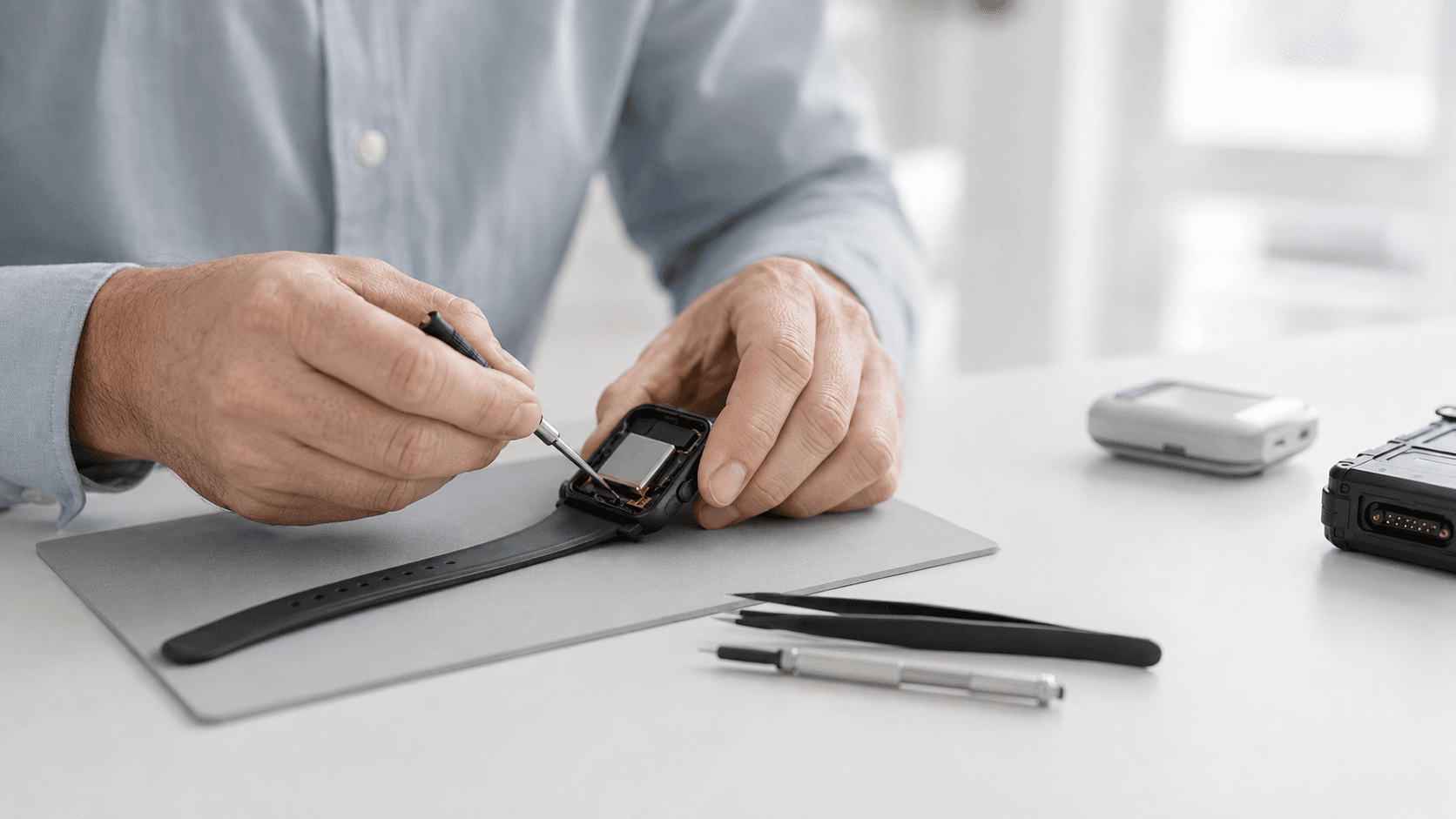
The European Commission adopted new exemptions from the EU battery removability rules on 14 July 2026. The exemptions cover certain wearables, electric toys and several other specialised products containing portable batteries.
The change is relevant because the general removability and replaceability requirements under Article 11 of the EU Batteries Regulation will apply from 18 February 2027.
However, the exemptions are narrower than they may first appear. In most cases, they do not allow manufacturers to install a battery that cannot be replaced at all.
The general rule from February 2027
Portable batteries incorporated into products must generally be removable and replaceable by the end user.
The battery should be capable of being removed without damaging either the battery or the product. It must also be possible to install a replacement battery without affecting the product’s functionality, performance or safety.
An end user is not expected to have professional repair experience. The general rule therefore requires the battery replacement to be possible without specialist knowledge.
Article 11 already includes limited exceptions where replacement by an end user would create safety or technical problems. In these cases, removal and replacement may be restricted to independent professionals.
The new delegated act expands this list.
Which products are covered by the new exemptions?
The Commission has added six product categories.
Wearable devices
This can include smartwatches, fitness trackers, smart glasses and electronic devices integrated into clothing or accessories.
The exemption is not automatic for every wearable.
It applies where user access to the battery could compromise safety, durability or water resistance and the device is either too small for safe battery handling or relies on a compact, sealed enclosure to maintain its functionality.
A smartwatch is therefore not exempt simply because it is worn on the body. Its design must meet the specific conditions set out in the delegated act.
Electric toys with rechargeable batteries
Certain electric toys may restrict battery replacement to independent professionals where this is necessary for safety due to the nature or size of the toy.
This exemption is temporary and applies only until 31 July 2030. From 1 August 2030, the relevant requirements under the new EU Toy Safety Regulation will apply.
Wireless food thermometer probes
Wireless thermometer probes specifically designed to come into contact with food during food preparation are included.
The Commission identified a risk that user access could damage the probe’s seal and allow chemicals from the battery to contaminate food.
Products for explosive atmospheres
Products covered by the ATEX Directive may qualify for the exemption.
This includes certain equipment designed for potentially explosive environments, where user access to the battery could affect the product’s safety.
On-body medicine delivery systems
The exemption also covers systems specifically designed to administer medicinal products subcutaneously.
Incorrect battery replacement in these products could affect their operation and create a risk of incorrect medication delivery.
Roof-mounted telematics devices
Certain telematics devices installed on the roofs of agricultural and construction machinery are also included.
The exemption is limited to devices designed to withstand harsh vibration, dust and wet conditions during their intended use.
The revised rules also retain existing exemptions for certain wet appliances and specified medical and diagnostic devices.
An exemption does not mean that the battery can be permanently sealed
This is the most important distinction.
The new exemptions concern who must be able to replace the battery. They do not generally remove the requirement for the battery to be replaceable.
Where an exemption applies, the battery must still be removable and replaceable by an independent professional.
The Commission describes independent professionals as commercial repair operators with the technical competence and qualifications required to repair the relevant product.
The product should not need to be destroyed during the replacement. The battery must also be removable without being damaged or pierced.
A design that makes replacement technically impossible would therefore not comply simply because the product belongs to one of the listed categories.
Product category alone is not enough
Manufacturers should not rely on a broad product description such as “wearable” or “electric toy”.
Several of the exemptions only apply where restricting end-user access is necessary to ensure the safety of the user and the product.
For wearables, manufacturers must also consider the size and form of the device, the safe handling of the battery and whether a sealed enclosure is required for durability, dust protection, shock resistance or water resistance.
The technical reasoning matters. Two products in the same commercial category may not receive the same treatment if their designs and safety risks are different.
Other battery replacement requirements still apply
The exemptions do not remove the wider obligations connected to battery replacement.
Portable batteries must generally remain available as spare parts for at least five years after the last unit of the relevant equipment model is placed on the market.
Software must not prevent the use of a compatible replacement battery. This includes software-based restrictions that reject a replacement battery or remove product functions simply because the battery is not the original part.
Other EU product legislation may also set stricter rules. For example, specific ecodesign requirements apply to smartphones and tablets and may take priority over the general battery rules.
Manufacturers should therefore assess the Batteries Regulation together with any product-specific legislation.
What should manufacturers check now?
Before 18 February 2027, companies placing battery-powered products on the EU market should establish:
- which products contain portable batteries covered by Article 11;
- which products must allow replacement by the end user;
- whether any product genuinely meets the conditions for an exemption;
- whether an independent professional can replace the battery without damaging the product;
- whether spare batteries and any required replacement parts will remain available;
- whether software could restrict the use of a compatible battery.
The assessment should be based on the actual product design rather than the general product category.
The new exemptions are not yet in force
The European Commission adopted the delegated act on 14 July 2026. It must now be reviewed by the European Parliament and the Council.
Provided that neither institution objects, the act will enter into force 20 days after its publication in the Official Journal of the European Union.
Companies should therefore follow the final publication while continuing to prepare for the general Article 11 requirements that apply from 18 February 2027.
How Viron can support
Viron supports manufacturers, importers and online sellers with EU Battery Regulation assessments and battery EPR compliance across multiple markets.
We can help determine which battery obligations apply to a product portfolio and identify where registrations, authorised representation or further compliance measures are required.